

Our Blog


The Power of Financial Modelling: Driving Corporate Finance Success Today
Inventory management is the backbone of any product-based business. At its simplest, it is the process of tracking and managing the goods your business intends to sell. This includes ordering, storing, and controlling the flow of items from the manufacturer to the point of sale. For small businesses, effective inventory management is not just a logistical necessity; it is a critical strategy for financial health and long-term sustainability.
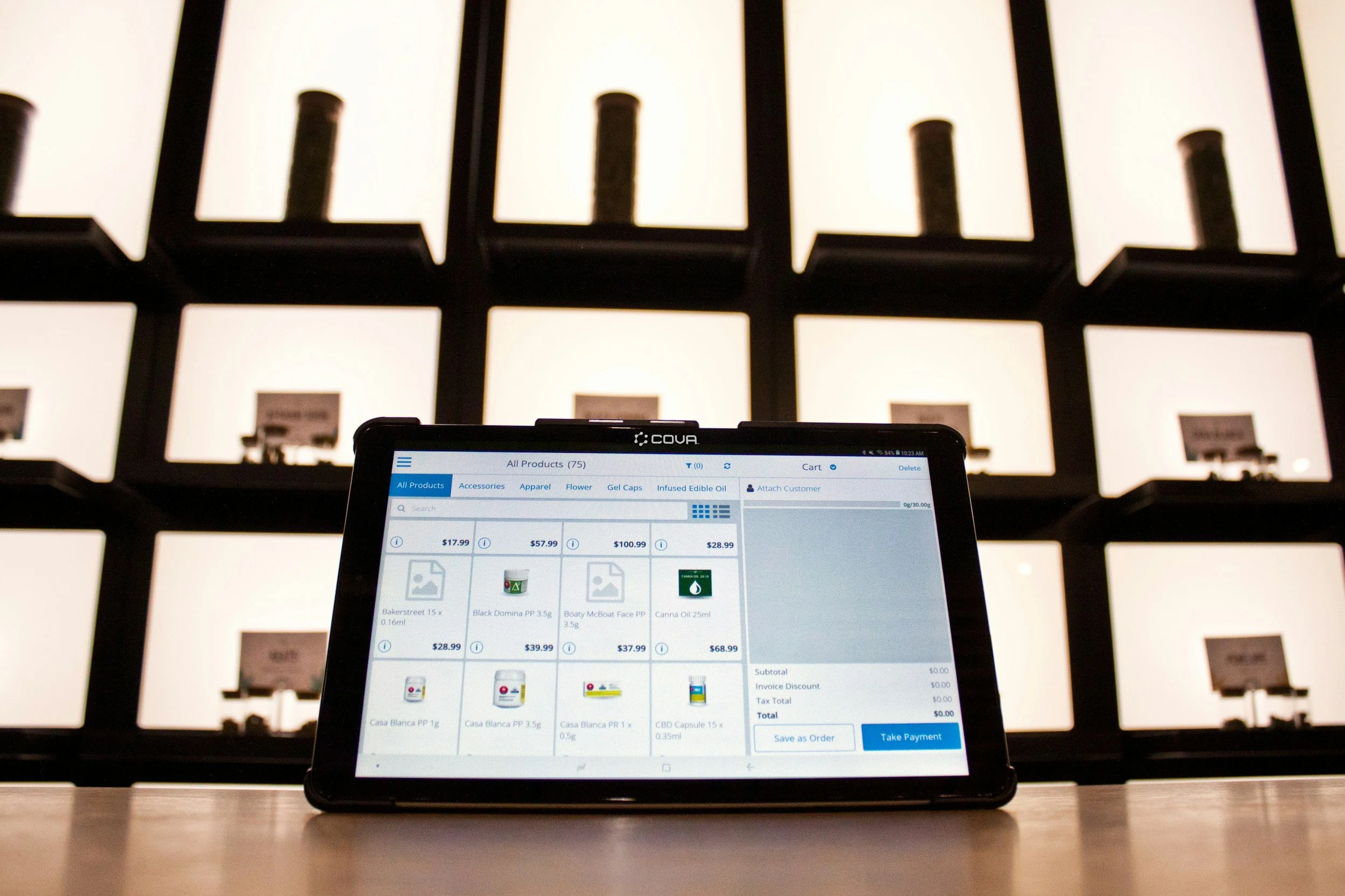
Pen & Paper vs. Digital Software for Tracking Your Stock
Inventory management is the backbone of any product-based business. At its simplest, it is the process of tracking and managing the goods your business intends to sell. This includes ordering, storing, and controlling the flow of items from the manufacturer to the point of sale. For small businesses, effective inventory management is not just a logistical necessity; it is a critical strategy for financial health and long-term sustainability.
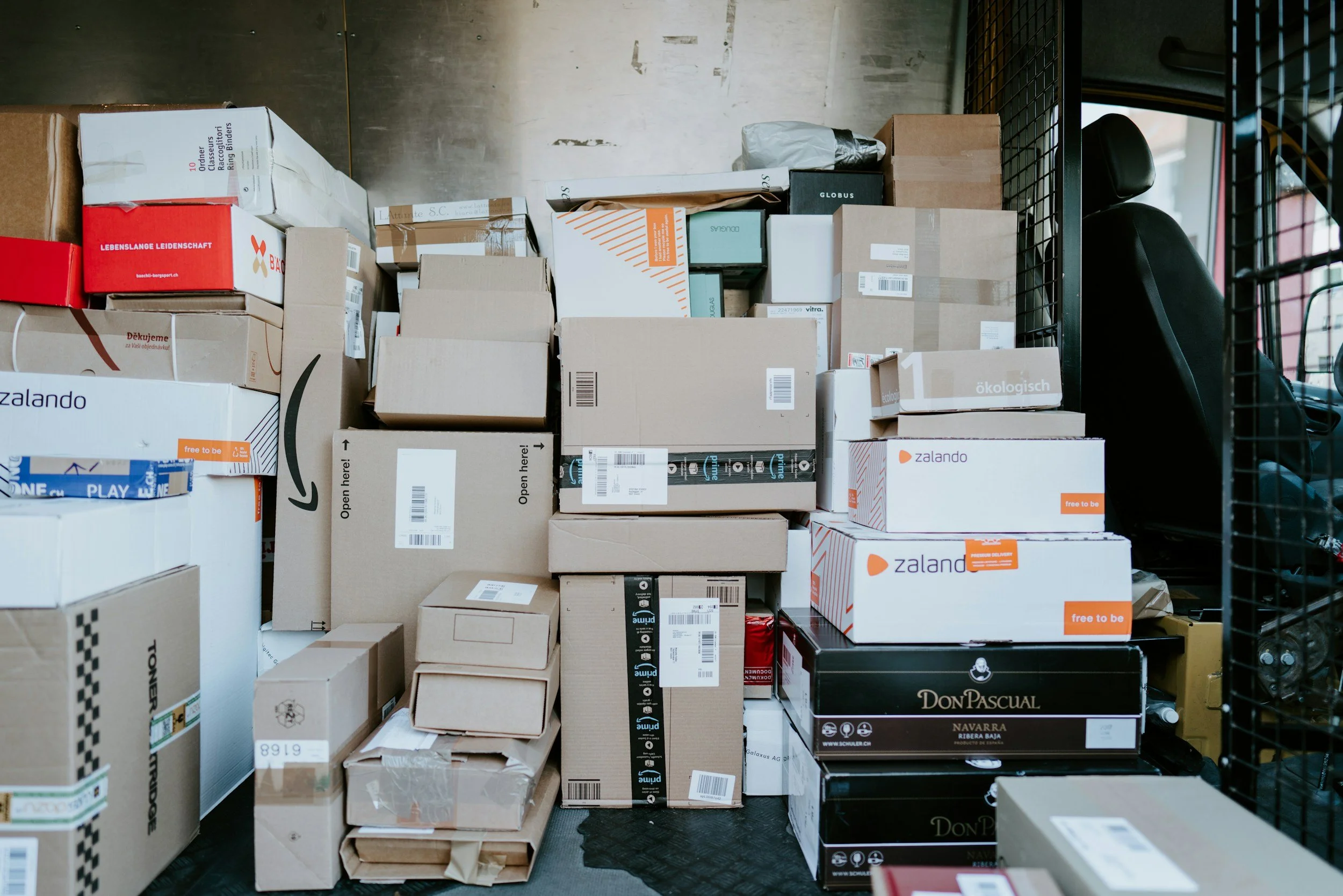
Oops! Are You Making These Common Inventory Mistakes?
Inventory management is the backbone of any product-based business. At its simplest, it is the process of tracking and managing the goods your business intends to sell. This includes ordering, storing, and controlling the flow of items from the manufacturer to the point of sale. For small businesses, effective inventory management is not just a logistical necessity; it is a critical strategy for financial health and long-term sustainability.
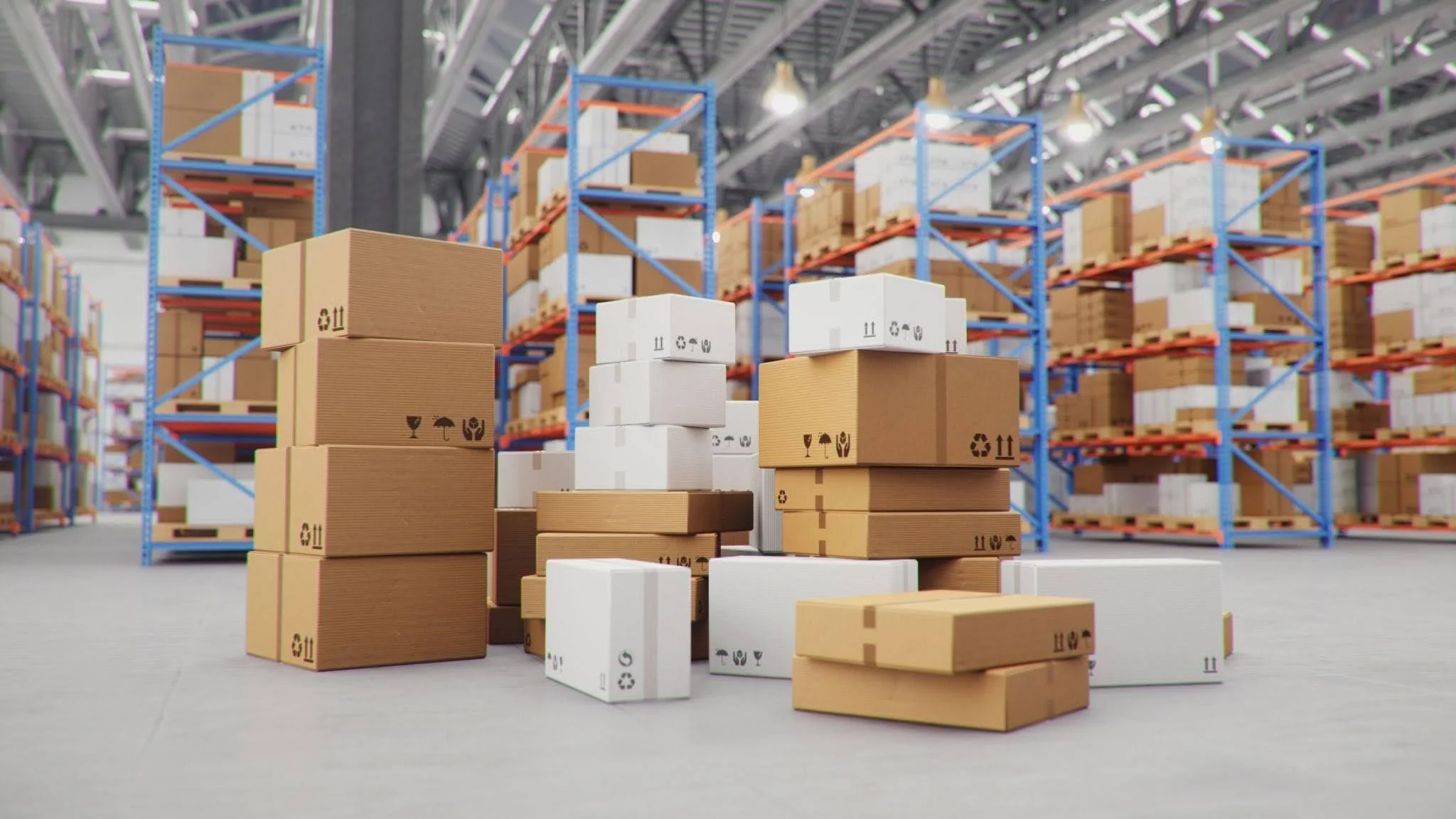
Types of Inventory
Inventory management is the backbone of any product-based business. At its simplest, it is the process of tracking and managing the goods your business intends to sell. This includes ordering, storing, and controlling the flow of items from the manufacturer to the point of sale. For small businesses, effective inventory management is not just a logistical necessity; it is a critical strategy for financial health and long-term sustainability.